
Eudana Farms
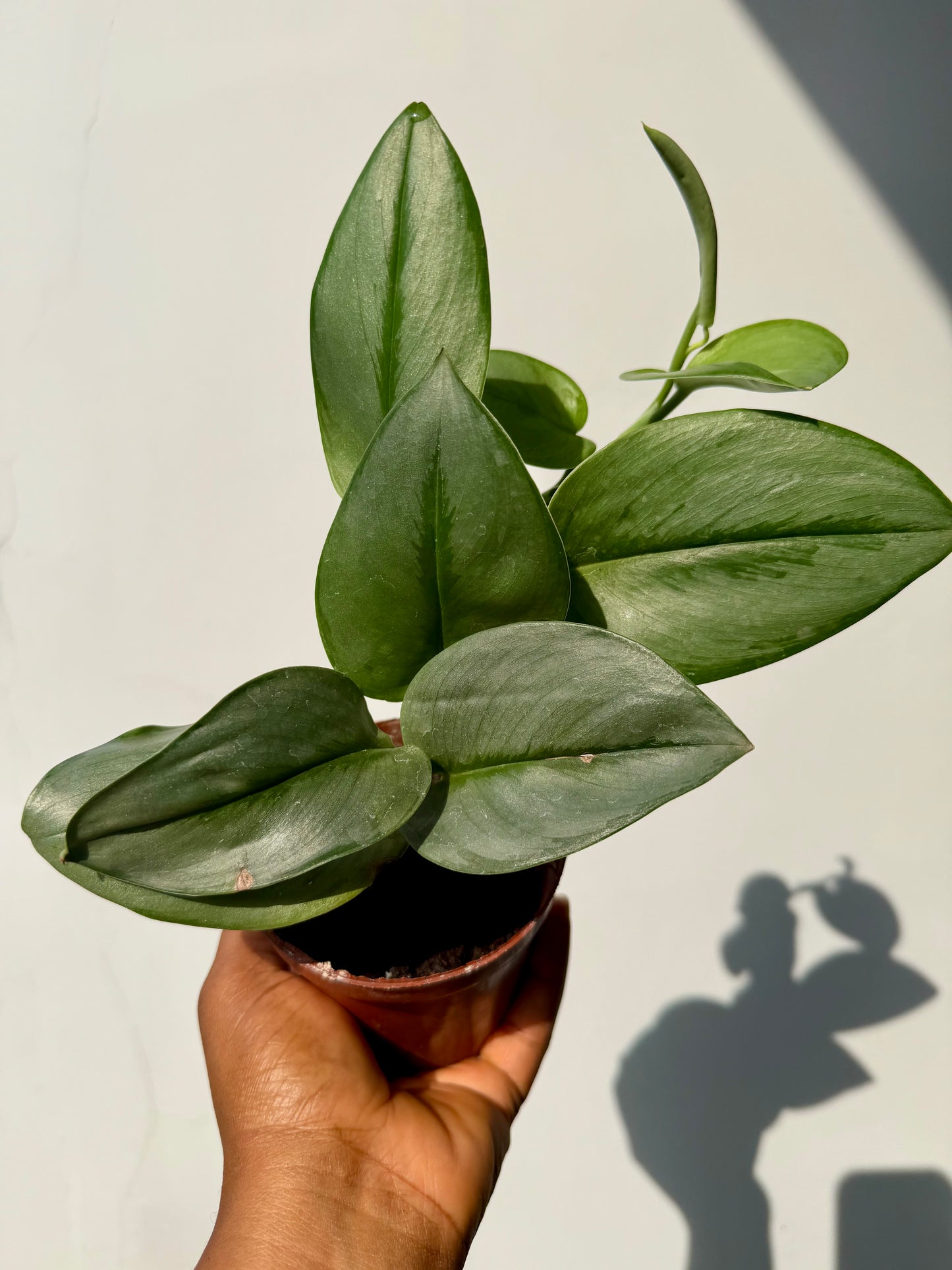
Scindapsus treubii 'moonlight'
Scindapsus treubii 'moonlight'
Couldn't load pickup availability
❗Choose urgent delivery❗
Note: Plants may differ slightly from the photos. Each plant is unique and slightly different from its neighour
Scindapsus Plant Care Guide
Scindapsus plants are popular tropical houseplants known for their attractive foliage, climbing or trailing growth habits, and relatively easy care. Their beautiful leaves, often marked with silver or other striking patterns, make them excellent additions to indoor plant collections. Here’s a comprehensive care guide covering each aspect of caring for Scindapsus plants.
Site Selection:
-
Light: Scindapsus plants thrive in bright, indirect light. They can tolerate lower light conditions, but growth may slow and leaf variegation may become less pronounced.
-
Humidity: Moderate to high humidity is ideal. They tolerate average indoor humidity but grow best in humid environments with good air circulation.
Soil Preparation:
-
Use a well-draining, airy potting mix rich in organic matter. A mixture of coco coir or peat moss, perlite, and orchid bark works well.
-
Ensure the pot has adequate drainage holes to prevent waterlogging and root rot.
Planting:
-
Choose a pot with drainage holes that is slightly larger than the plant’s root ball.
-
Repot every 1–2 years or when the roots outgrow the pot.
-
Gently loosen the roots when transplanting and plant at the same depth as the original pot.
-
Provide a moss pole or other support if you want the plant to climb and develop larger leaves. Scindapsus can also be grown as a trailing plant in hanging baskets.
Watering:
-
Water thoroughly when the top 1–2 inches of soil feel dry.
-
Allow excess water to drain completely, and never leave the pot sitting in standing water.
-
Avoid keeping the soil constantly wet, as this can cause root rot.
-
Adjust watering according to temperature, humidity, and the plant’s growth rate. Plants may need less frequent watering during raining season.
Sunlight:
-
Bright, indirect light is ideal for Scindapsus plants.
-
Avoid intense direct sunlight, especially during hot afternoons, as it can scorch the leaves.
-
Lower light conditions are tolerated, but growth may be slower and the spaces between leaves may become longer.
Fertilizing:
-
Feed monthly during the growing season with a balanced liquid houseplant fertilizer diluted according to the product instructions.
-
Avoid overfertilizing, as excess fertilizer can damage the roots and cause leaf problems.
-
Reduce or stop feeding when growth slows significantly.
Pest and Disease Management:
-
Scindapsus plants may occasionally attract spider mites, mealybugs, scale insects, and thrips.
-
Inspect the leaves, undersides, and stems regularly for signs of pests.
-
Isolate affected plants and treat infestations with insecticidal soap or another suitable houseplant pest treatment, following the label instructions. Test a small area first.
-
Avoid routine spraying when there are no pests, and protect the plant from direct sunlight while treated leaves dry.
-
Maintain good air circulation and avoid overwatering to reduce the risk of fungal problems and root rot.
Propagation:
-
Scindapsus plants are commonly propagated through stem cuttings.
-
Take healthy stem cuttings containing at least one node. A cutting with a leaf and node is suitable for propagation.
-
Place the cuttings in water, sphagnum moss, or a moist, well-draining propagation medium, ensuring the node is in contact with the medium.
-
Keep the cuttings in a warm location with bright, indirect light.
-
Once the roots have developed sufficiently, transfer water-rooted cuttings into a suitable potting mix.
Maintenance:
-
Remove yellow, damaged, or dead leaves to keep the plant healthy and attractive.
-
Prune long or leggy stems to encourage fuller growth and maintain the desired shape.
-
Pinch back growing tips when needed to encourage branching.
-
Wipe the leaves gently with a damp cloth to remove dust and keep their natural patterns visible.
-
If growing the plant on a support, guide the stems along it and secure them loosely as they grow.
Toxicity:
-
Scindapsus plants are toxic if chewed or ingested and may cause irritation to the mouth and digestive tract.
-
Keep them out of reach of children and pets.
- By following these care guidelines, you can successfully grow and maintain Scindapsus plants indoors. With suitable lighting, well-draining soil, careful watering, and adequate humidity, these tropical plants can develop beautiful foliage as either trailing or climbing specimens.
Share